
How Much Sugar Is in Wine? A Guide to Sweet and Dry Styles
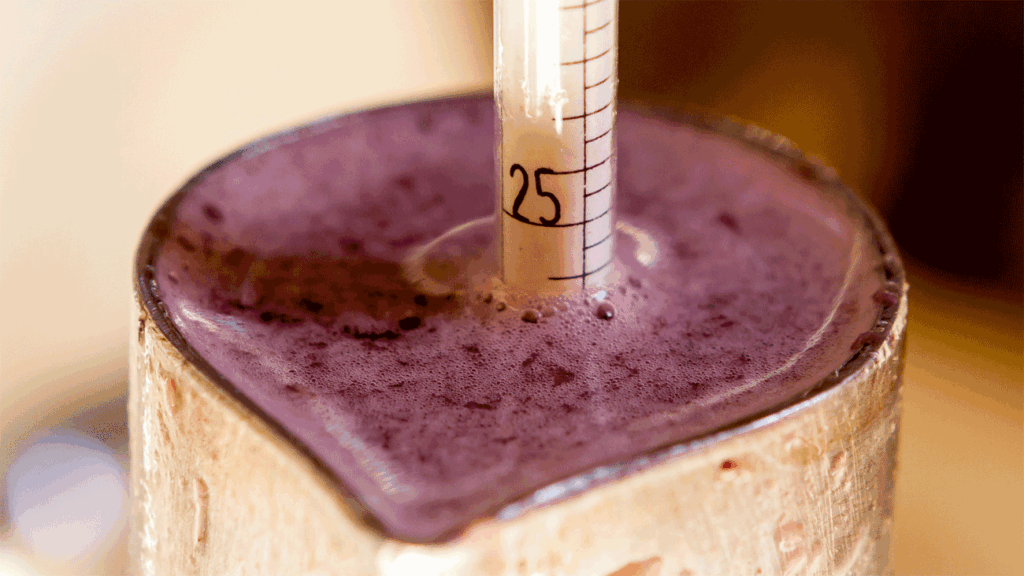
The amount of sweetness in wine varies widely depending on the type. Most wines have between one and eight grams of sugar, with a typical five-ounce glass of red table wine containing about 0.9 grams. However, ultra-sweet wines can have large amounts of sugar per glass, and bone-dry wines can have barely any at all. It all depends on your taste preferences.
If you’re watching your sugar intake, the key is learning wine jargon and what it means for sweetness.
Is There a Lot of Sugar in Wine?
Some wines can contain a lot of sugar, but not all. For comparison, a 12-ounce can of cola has about 36 grams of sugar, while the same amount of red wine might have just over 2 grams.
Of course, whether that’s “a lot” depends on your dietary needs and health goals.
Understanding Sugar in Wine
The sweetness in wine is called residual sugar. It comes from the natural sugars in grapes, such as fructose and glucose. During fermentation, yeast consumes these sugars to produce alcohol and carbon dioxide. Some winemakers halt fermentation early or add sugar before fermentation (a process known as chaptalization) to achieve specific sweetness levels.
Wine loses most of its initial grape sugar during fermentation. Stopping that process early results in a sweeter wine with lower alcohol content.
Average Sugar by Wine Type
Here’s an estimate of the sugar content in common types of wine per five-ounce glass:
Very dry or bone-dry wines: Less than 1g — e.g., Sauvignon Blanc, Tempranillo
Dry wines: 1–1.4g — e.g., Merlot, Pinot Grigio, Chardonnay
Off-dry wines: 1.4–5g — e.g., Riesling, Zinfandel
Sweet wines: 5–18g — e.g., Port, Moscato
Very sweet wines: 18–33g — e.g., Icewine, Tawny Port
Your preferred sweetness level determines what wines you’ll enjoy most. If you like sweeter styles or want to avoid them, understanding these categories helps you make better choices.
Which Wines Are Naturally Sweetest?
The sweetest wines tend to be dessert wines or fortified styles. These include:
Tawny or Ruby Port
Icewine (made from frozen grapes)
Rutherglen Muscat
Vin Santo Rosso
Lambrusco Spumante Rosso
Sauternes (botrytized wine)
P.X. Sherry
Sweeter wines usually undergo less fermentation. Some are fortified with brandy or other spirits to increase alcohol content. Explore different sweet wines to discover what flavor profiles you enjoy.
Love sweeter wines? Explore our Sweet Wine Club for monthly handpicked bottles that highlight the world’s best dessert and semi-sweet selections.
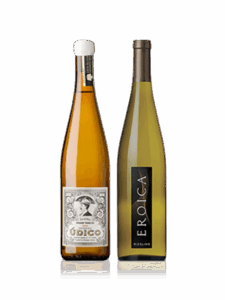
Sweet Club | $55
Sweet Tooth? Discover Wines Made for You
If you enjoy the softer, fruit-forward side of wine, this club delivers the best dessert wines, semi-sweets, and off-dry gems handpicked and shipped monthly. Perfect for casual sipping, pairing with desserts, or gifting
Best Low-Sugar Wines to Try
Red wines usually have the least sugar, but white wines can be bone-dry as well. Look for these low-sugar varietals:
Riesling (dry styles)
Chardonnay
Sauvignon Blanc
Viognier
Torrontes
Pinot Noir
Tempranillo
Merlot
Longer fermentation means less residual sugar, so wines that are dry or extra-dry are usually safe bets for those limiting sugar.
How to Read Wine Labels
Most wine labels don’t disclose sugar content directly. Here’s what to look for:
Phrases like “dry,” “bone dry,” “low sugar,” or “no added sugar”
Alcohol by volume (ABV): Higher ABV usually means lower residual sugar
Grape variety and region: Some varietals and climates naturally produce sweeter wines
Low-Sugar Wine Choices for Diet-Conscious Drinkers
Yes, if you choose wisely. Bone-dry or dry wines are typically low in sugar. Drink in moderation and be aware that alcohol affects blood sugar levels. Over time, alcohol misuse can contribute to insulin resistance.
Comparing Wine to Other Drinks
To put wine in perspective:
Fruit juice: 24g sugar
Chocolate bar: 21g
Ice cream: 28g
Sweetened iced coffee: 32g
Red table wine: ~0.9g (per 5oz)
A balanced diet means being aware of these trade-offs.
Lower-Sugar Alcohol Alternatives
If you find dry wine too harsh, you can consider:
Tequila (0g sugar)
Whiskey (0g sugar)
Unflavored vodka (0g sugar)
Still, experimenting with low-sugar wines can be enjoyable. Research, taste, and discover what works for you—and drink responsibly.
Whether you’re tracking sugar for health reasons or just curious about what’s in your glass, understanding wine sweetness helps you enjoy it more confidently.
New to wine tasting? These winery visit tips will help you feel confident and get the most out of your experience.
According to the Harvard School of Public Health, sugary beverages like soda and juice deliver 20–40g of sugar per serving—far more than most wines.