
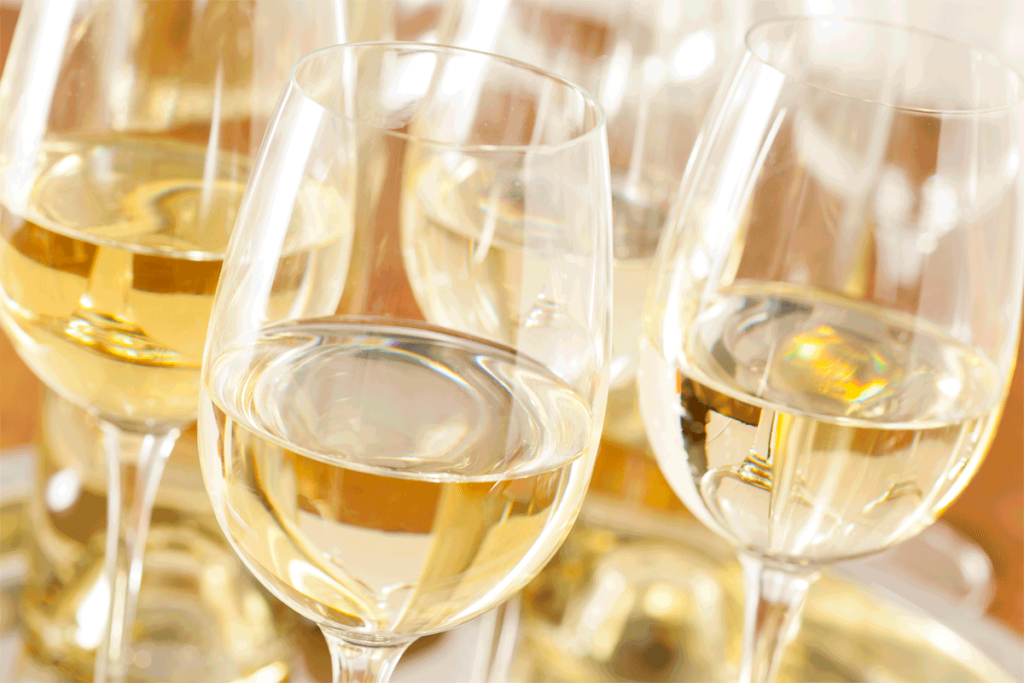
Types of White Wine: Flavor Profiles, Grapes & Pairings
Table of Contents
- What Are the Main Types of White Wine?
- Sweet White Wine vs. Dry White Wine
- Top White Grapes Used in Winemaking
- Food Pairings by White Wine Style
- How to Choose the Right White Wine for You
- Explore a White Wine Club
- FAQ
There are many types of white wine, each with its own unique flavor profile, acidity, and food pairing potential. From crisp and dry to fruity and sweet, white wines offer incredible diversity for both new drinkers and seasoned enthusiasts. In this guide, we’ll break down the most popular white wine types, explore their characteristics, and help you find the best match for your palate or next dinner.
What Are the Main Types of White Wine?
White wine is primarily produced from green or yellow-skinned grapes. Common styles include:
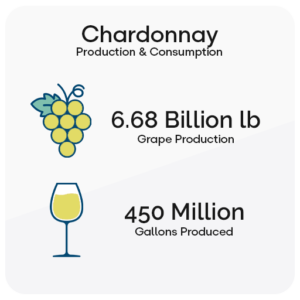
Chardonnay – Versatile, ranges from buttery and oaked to crisp and mineral.
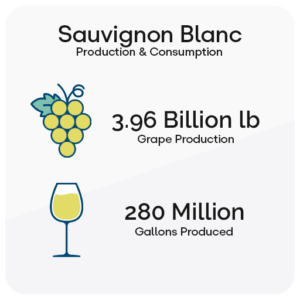
Sauvignon Blanc – Bright acidity, citrus and grassy notes.
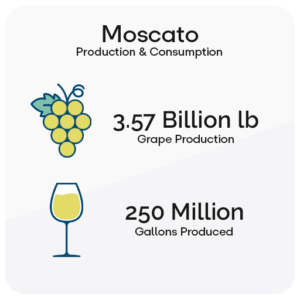
- Moscato – Floral and sweet, often lightly sparkling.
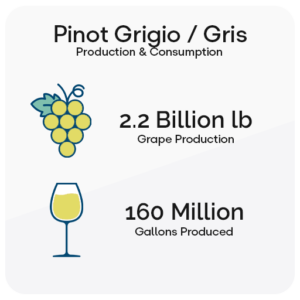
Pinot Grigio / Pinot Gris – Crisp and delicate (Grigio), richer and fruitier (Gris).
Riesling – Sweet or dry, high acidity, aromatic.
Sweet White Wine vs. Dry White Wine
Understanding sweetness level is key to finding your ideal wine:
Dry styles: Sauvignon Blanc, Pinot Grigio, Albariño, Chardonnay (unoaked)
Sweet styles: Moscato, Late Harvest Riesling, Icewine
Sweet wines tend to pair well with spicy dishes and desserts, while dry whites shine with seafood, salads, and lighter fare.
Top White Grapes Used in Winemaking
Chenin Blanc – Crisp or sweet, grown in France and South Africa
Gewürztraminer – Lychee, rose, spice-heavy aromatics
Semillon – Often blended, great for rich or sweet styles like Sauternes
Food Pairings by White Wine Style
Chardonnay – Creamy pasta, roast chicken, soft cheeses
Sauvignon Blanc – Goat cheese, green salads, shellfish
Pinot Grigio – Antipasti, white fish, mild cheese
Riesling – Thai, Indian curry, spicy pork
Moscato – Fruit tarts, Asian dishes, brunch fare
How to Choose the Right White Wine for You Your ideal white wine depends on:
Preferred sweetness
Foods you eat often
Whether you like crisp or creamy textures
Exploring Sweet White Wine Styles
For those seeking sweet white wine experiences beyond Moscato and late-harvest Riesling, several iconic regions and production methods yield intensely sweet and complex bottles:
Sauternes – France
Produced from Semillon and Sauvignon Blanc grapes affected by botrytis (noble rot). Flavors of apricot, honey, and caramel, balanced by refreshing acidity.Tokaji Aszú – Hungary
Historic sweet wine made from botrytized Furmint and Hárslevelű grapes. Renowned for its marmalade, citrus, and toffee nuances.Ice Wine
Grapes are left on the vine to freeze, concentrating sugars and flavors. Common in regions like Canada and Germany, offering vibrant fruit and honeyed sweetness.
These sweet whites often serve as dessert wines or pair beautifully with salty cheeses, foie gras, or spicy dishes for a compelling contrast of flavors.
Tips for Serving and Enjoying White Wine To make the most of any white wine be it crisp, sweet, or full-bodied consider the following best practices:
Chill Appropriately
Light, Crisp Whites (e.g., Sauvignon Blanc, Pinot Grigio): Serve at about 45–50°F (7–10°C).
Fuller-Bodied Whites (e.g., Oaked Chardonnay, White Rhône blends): Serve around 50–55°F (10–13°C).
Sweet White Wine (e.g., Sauternes, Ice Wine): Also around 45–50°F to balance sweetness with acidity.
Select the Right Glass
Use a narrow, tulip-shaped glass to retain floral and fruit aromas. Leave space to swirl and release bouquet.Consider Decanting
Most young whites don’t need decanting, but older or complex styles like aged Chardonnay or mature Riesling may benefit from brief aeration.Store Properly
Keep unopened bottles in a cool, dark place or wine fridge. Store cork-sealed bottles on their side to prevent drying and oxidation.
Discover Your Favorite White Wines
Join our Premium Wine Club to receive expertly chosen white wines each month, or explore the Single Bottle Club if you prefer flexibility without commitment. Great options for dry and sweet white wine lovers alike.
Frequently Asked Questions
Is white wine good for you? Moderate consumption of white wine may support heart health thanks to its antioxidants. Drink responsibly and consult your doctor for personal recommendations.
Does white wine vinegar go bad? Yes, over time, white wine vinegar can lose flavor and aroma. Store it sealed in a cool, dark place for best results.
How many calories in a glass of white wine? On average, a 5 oz. glass of dry white wine contains 120–130 calories. Sweeter wines may contain more.
How long is white wine good for after opening? Most white wines stay fresh for 3–5 days when refrigerated with a stopper or vacuum seal.
Want more background on popular grapes and styles? This white wine varietals guide from Wine Enthusiast covers the essentials.
Explore a Wine Club Perfect for Gifting or Treating Yourself
Discover expertly selected for a curated White Wine Club Subscription experience of premium white wines. Whether you’re a fan of Chardonnay, Sauvignon Blanc, or Riesling, our club ensures a delightful white wine journey delivered right to your door!